
Research-based guide with Analyzed Dinho Scores for two Macs. Prices are read from Apple and dated; specs are sourced, not tested by us.
The short answer
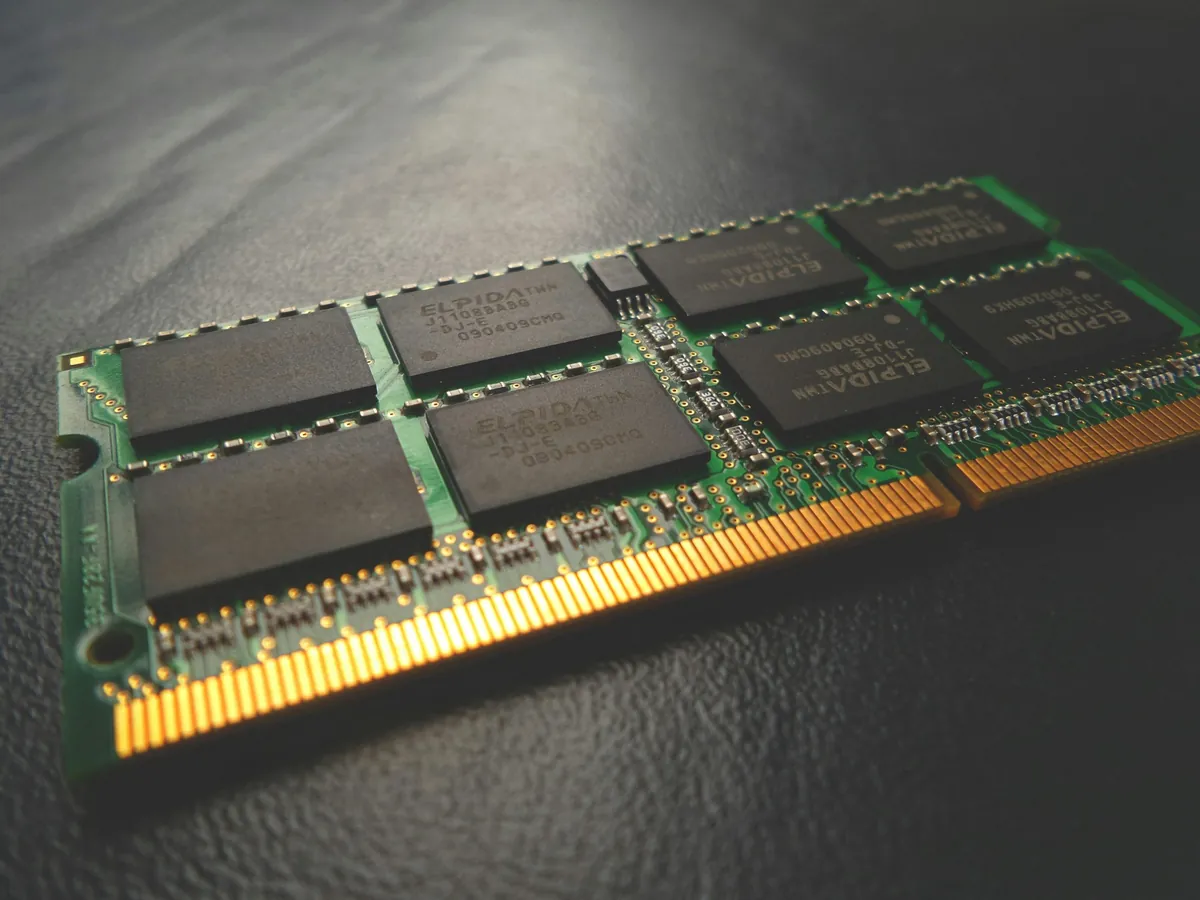
For most people buying a laptop in 2026, 16GB is the right amount. 8GB is enough for email, documents, streaming and a few browser tabs, but it leaves little room, and on most laptops you cannot add memory later. 32GB is for heavy multitasking, video work, local AI models and demanding games. If the extra memory costs little on the model you want, pay it: it is the one part you usually cannot add later. That is our editorial reading of the sources below.
What the Mac memory options cost, 1 November 2026
- Apple: MacBook Neo with 8GB (not upgradable) from $699; MacBook Air M5 13-inch with 16GB and 512GB from $1,299, configurable to 24GB or 32GB. The $600 gap also includes more storage and a faster chip.
- Value: the MacBook Neo at $699 is strong value; the MacBook Air M5 13-inch at $1,299 is fair value.
- Read from the Apple Store US on 1 November 2026 (Rome time), in USD.
How much memory for what
| Memory | Fits | Watch out |
|---|---|---|
| 8GB | Email, documents, streaming, video calls and a few tabs | Described as the bare minimum for Windows 11; estimates of what the system uses at idle range from about 3GB to 6.5GB; usually cannot be upgraded |
| 16GB | Students, remote work, everyday multitasking and casual gaming | The 2026 standard recommended by most buying guides |
| 32GB | Many apps at once, video and photo editing, local AI models, demanding games | Largest price step; many 2026 games list 16GB as the minimum and 32GB as recommended |
MacBook Neo, 8GB / 256GB
Dinho Score · Analyzed
MacBook Air M5 13-inch, 16GB / 512GB
Dinho Score · Analyzed
MacBook Neo
| + Pros | – Cons |
|---|---|
| Fanless, 13 hours 28 minutes in a web battery test | 8GB of memory that cannot be upgraded |
| Enough speed for browsing, documents, calls and streaming | About 8,600 in Geekbench 6 multi-core, the bottom of one reviewer’s list |
| Sturdy build and a 500-nit display | No wide colour gamut or True Tone; no keyboard backlight |
| Two USB-C ports (one slower), no MagSafe, one external display |
MacBook Air M5 13-inch
| + Pros | – Cons |
|---|---|
| Strong CPU: about 17,000 in Geekbench 6 multi-core (third-party results) | Slow in demanding games |
| Fanless, almost 15 hours in a web battery test | No HDR or variable refresh rate; the display has a notch |
| Keyboard and trackpad rated among the best | Few ports; memory cannot be upgraded later |
| Wide colour gamut display, about 459 nits measured |

Decide at the checkout, not later
The decision matters more now because memory is fixed on many laptops. Apple sets the amount when you buy: the MacBook Neo’s 8GB cannot be upgraded. On Windows, check the spec page for a memory slot before assuming you can add RAM; if the memory is soldered, buy the amount you will need at the end of the laptop’s life, not today.
Prices make the temptation to save on memory stronger. Analysts have warned that mid-range laptops could slide back to 8GB as memory costs rise, so read the spec line and do not assume a laptop in a given price band has 16GB. Why PC parts cost so much explains the cause, and build, buy or wait covers the timing question.
Choose your memory
| If you… | Choose |
|---|---|
| Only browse, write and stream, and the laptop is a second device | 8GB, if it is the cheapest sensible option |
| Study, work remotely or keep many tabs and apps open | 16GB |
| Edit video, run local AI models or game on a laptop | 32GB, or at least 16GB with an upgrade path |
| Cannot add memory later (Apple or soldered) | Buy the larger size now |
Related guides: best laptops for students, MacBook Neo vs MacBook Air M5 and how much RAM for a gaming PC. How to read the rest of a spec line is in our laptop spec guide.
Last checked 1 November 2026. We update this guide when memory prices or the major retailers’ prices change. How we source our guides is explained on the About page.
Sources
- Apple, Buy MacBook Neo and Buy MacBook Air (read 1 November 2026)
- HP, how much RAM do I need, Newegg Insider, how much RAM you need in a laptop, Techfident, how much RAM do I need and GeekChamp, is 8GB of RAM enough in 2026
- APH Networks, memory crunch and 8GB laptops (TrendForce analysis)
- Dinho Score evidence for the two Macs: see the sources in MacBook Neo vs MacBook Air M5




Leave a Reply